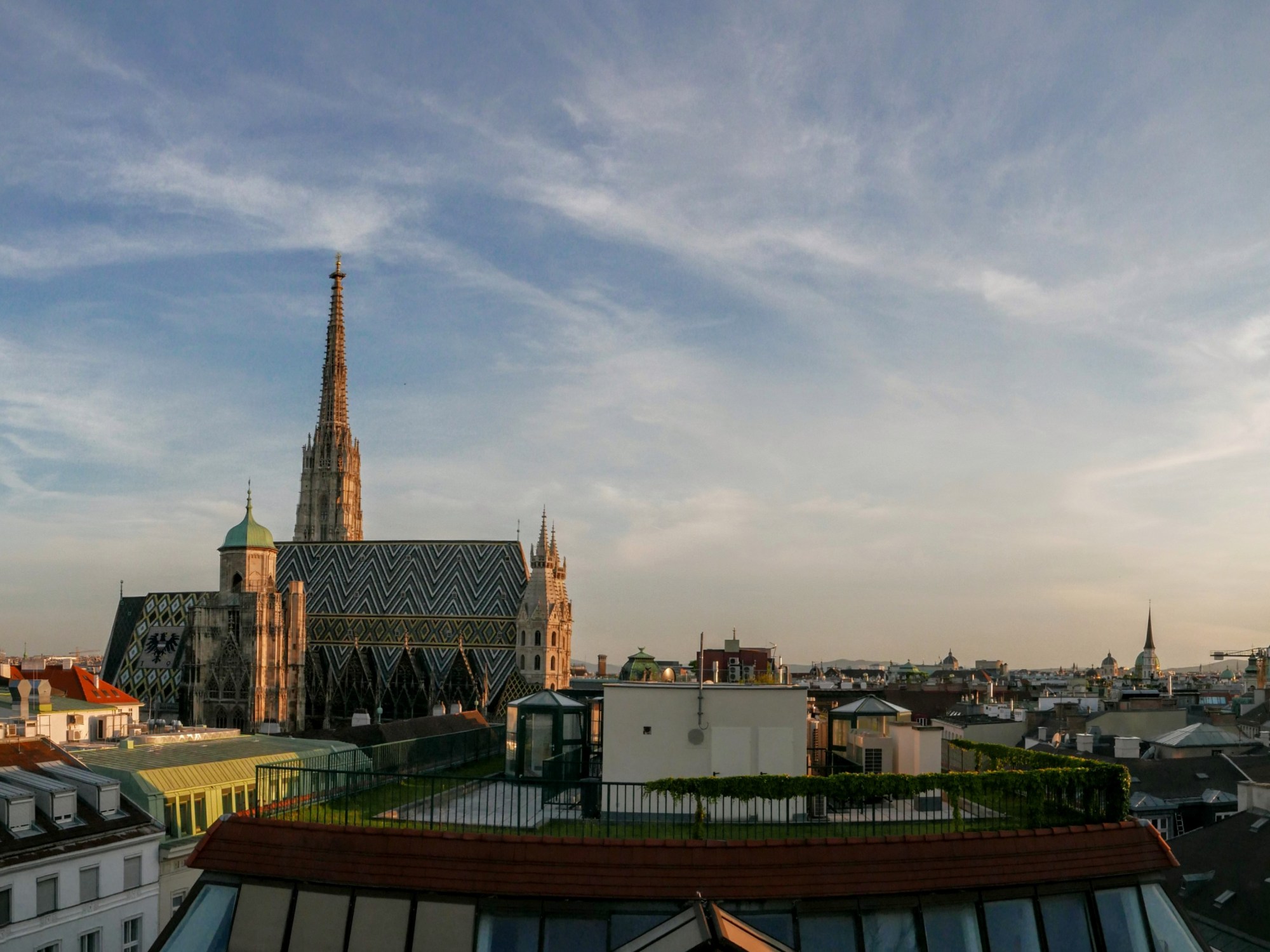
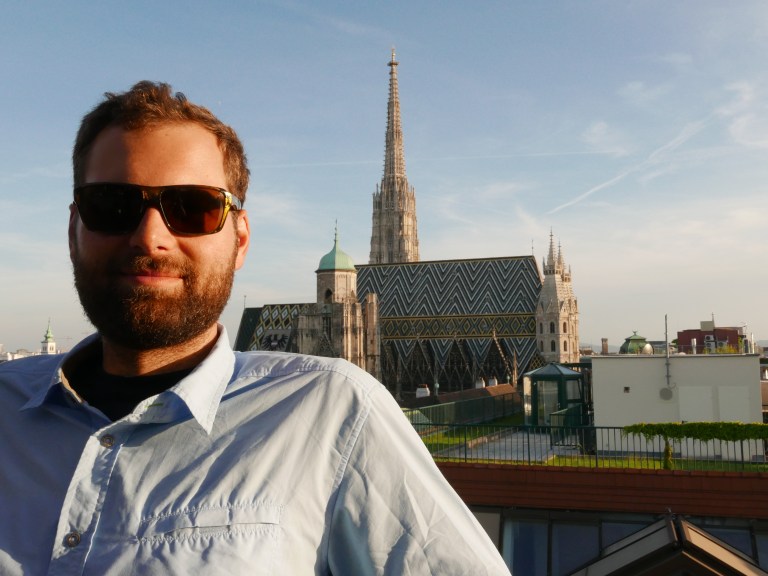
Vienna (“Wien” to the local Wieners) is a historically and culturally rich city with a remarkable past at the crossroads of Europe. In addition to its significant contributions to the arts and philosophy, Vienna has been an important venue for much of the geopolitical history of Europe as the capital of Austria (including the once-mighty Austro-Hungarian Empire), as a quasi-neutral zone along the Iron Curtain, and now as a major hub for international organizations such as the United Nations and the Organization of Petroleum Exporting Countries. As a result, it is a very beautiful city.
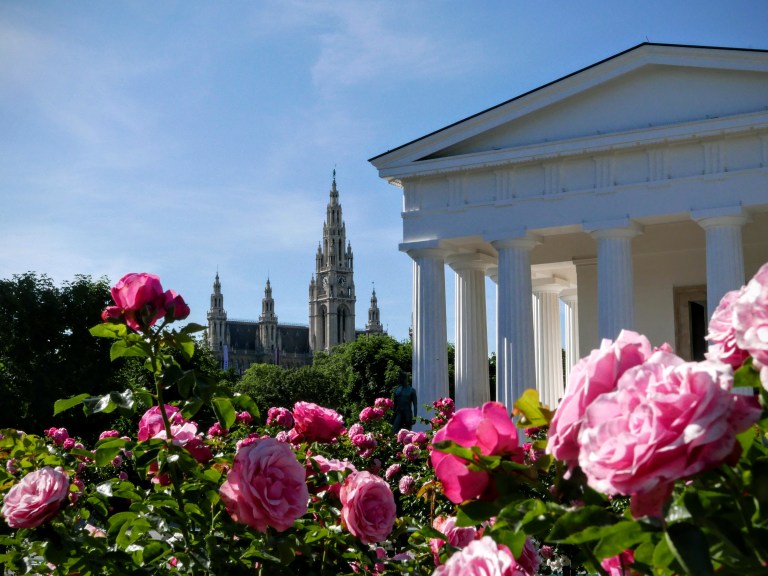


Reminiscent of our experience in Munich, Vienna’s architecture, public art, and museums spare no expense in ensuring your awareness of its heritage of dynastic monarchy, dominated from 1282 to 1918 by the Habsburg family. The Habsburgs were a prolific family whose branches dominated Austria and Spain at the apex of both states’ imperial ambition. The Divine Right of Kings, and monarchism more broadly, feels quite foreign and antiquated — though I am continually reminded through this trip that these concepts retained significant popular support and continued to be practiced well into the 19th and early 20th centuries in modern Europe.
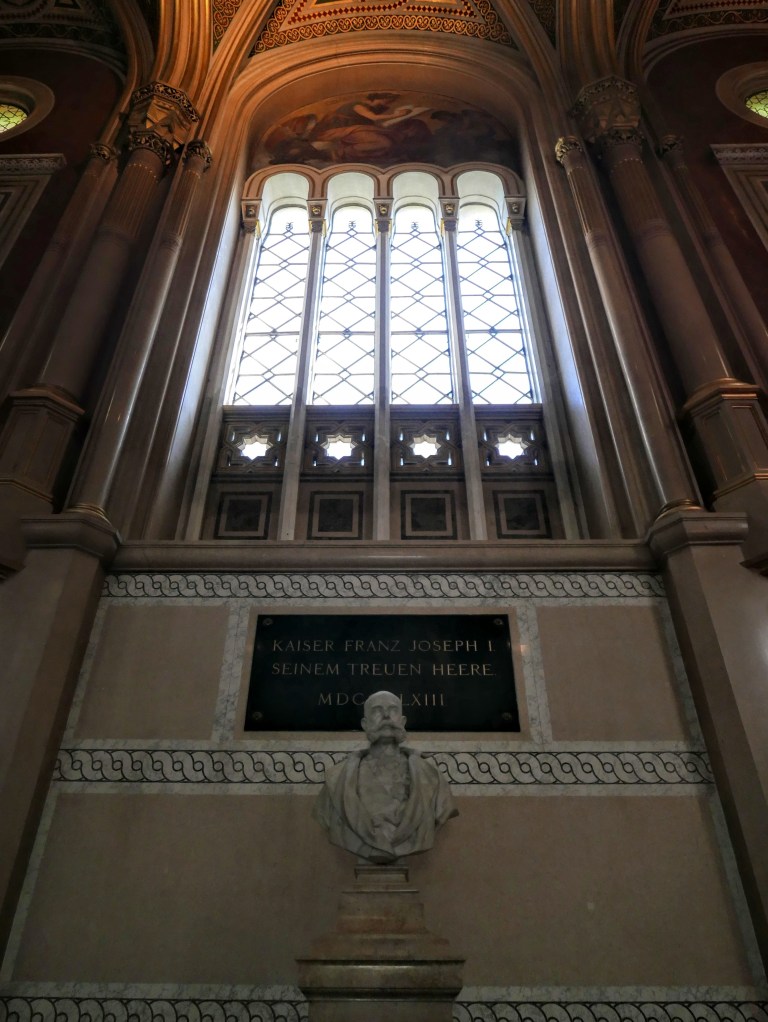


Similarly reminiscent to Munich was Vienna’s role in the start of one of the most catastrophic and disturbing events in modern history, the first World War. The final Habsburg monarch, Emperor Franz Joseph (1830-1916), bears a great deal of personal responsibility for escalating the events in Sarajevo in 1914 into the catastrophic, tragic conflict of 1914-1918. With encouragement from his German counterpart, Kaiser Wilhelm II (1859-1941), Joseph coerced a breakdown in relations with and subsequent invasion of Serbia, provoking Russian Czar Nicholas II (1868-1918). All three of these monarchies would tumble before 1920, through natural death (Franz Joseph, 1916), execution by revolutionaries (Nicholas, 1918) and abdication and exile (Wilhelm, 1918). The conflict, initially viewed as a relatively minor, localized dispute, culminated in worldwide, industrialized, total war on an unprecedented scale. In spite of this, Franz Joseph’s effigy is everywhere in Vienna. We are currently experiencing a similarly curious phenomenon in Paris with Napoleon Bonaparte.
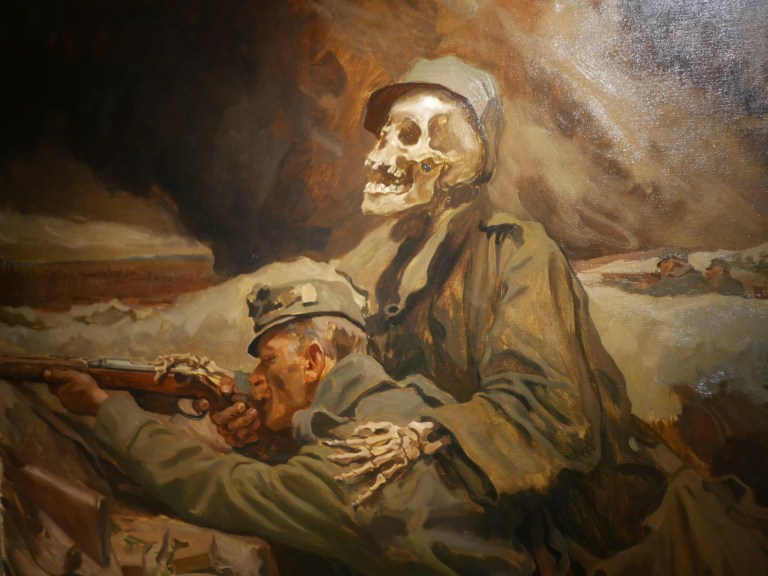


The Vienna Museum of Military History (the brick building above) has some great exhibits explaining this horrific conflict, as well as some interesting content on more the history of the Austrian empire. Ditto to the National Library (below). As an interesting aside, Kaiser Wilhelm and Czar Nicholas were third cousins and had a fairly close personal relationship. Their correspondence in 1914 is worth a read. For more on pre-war European relations, check out Catastrophe 1914.
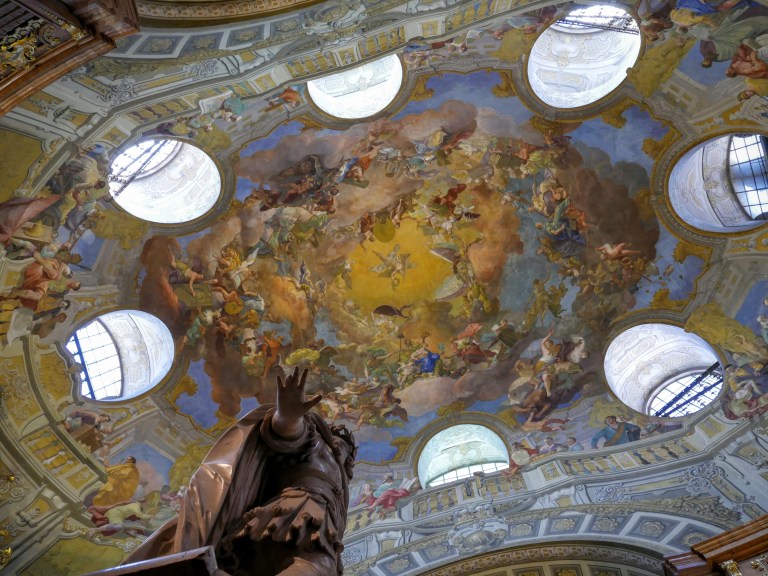
On a lighter note, Vienna has some great public and institutional art and architecture. We came in the midst of Wiener Festwochen 2016, and the city seemed quite alive and vibrant. Wieners were plentiful, and — I confess – Wiener jokes were made.
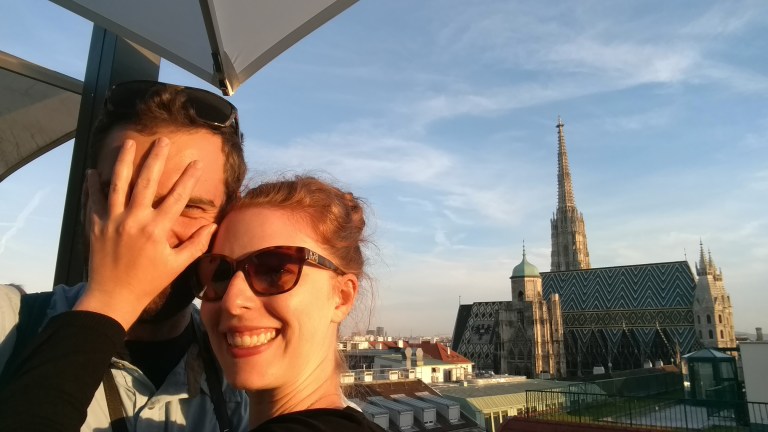


The Danube Canal, a channelized commercial canal running through the heart of Vienna, is a great example of a waterfront repurposed for public enjoyment through open space, restaurants and bike paths. Among many other great open spaces and public parks.
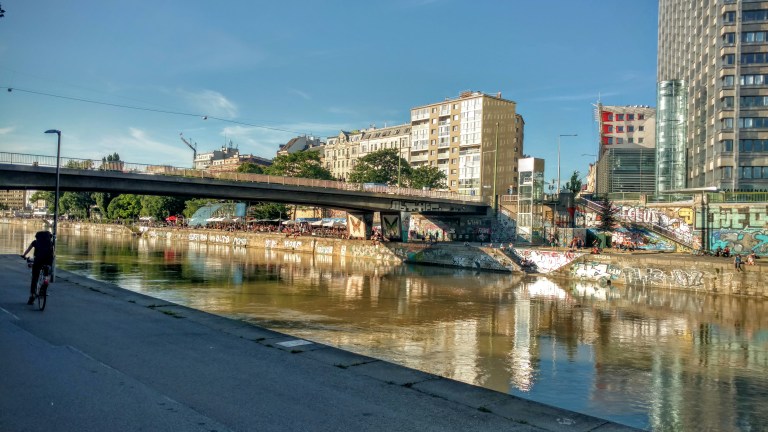


The bike infrastructure is better than average but not a match for Munich’s incredible and ubiquitous grade-separated bike paths. Rent-a-bikes are handy, but are station-bound like most cities. Regardless, some very nice biking around town!


Vienna is particularly well known for its music, and the opera house is well worth a tour. Although nearly completely destroyed through Allied artillery and bombing, it was reconstructed in the 1960s and is quite an elegant building.


For another truly enjoyable Viennese experience, stop by the Tanzschule Reuff for a waltzing class. They can turn even the reuffest dancers like me into a confidently stumbling waltzer. Thanks to our instructor Guido for his patience.


Overall, Vienna is a very cool city and worth checking out for a few days. Thanks to Max for giving me the idea after his trip a couple years ago.


 Nick's Adventures